Sneakers
Yeezy Boost 350 V2 Boost: complete guide, prices, and key points
The adidas silhouette remains alive through reissues, the resale market, and doubts about sizing, price, and authenticity.

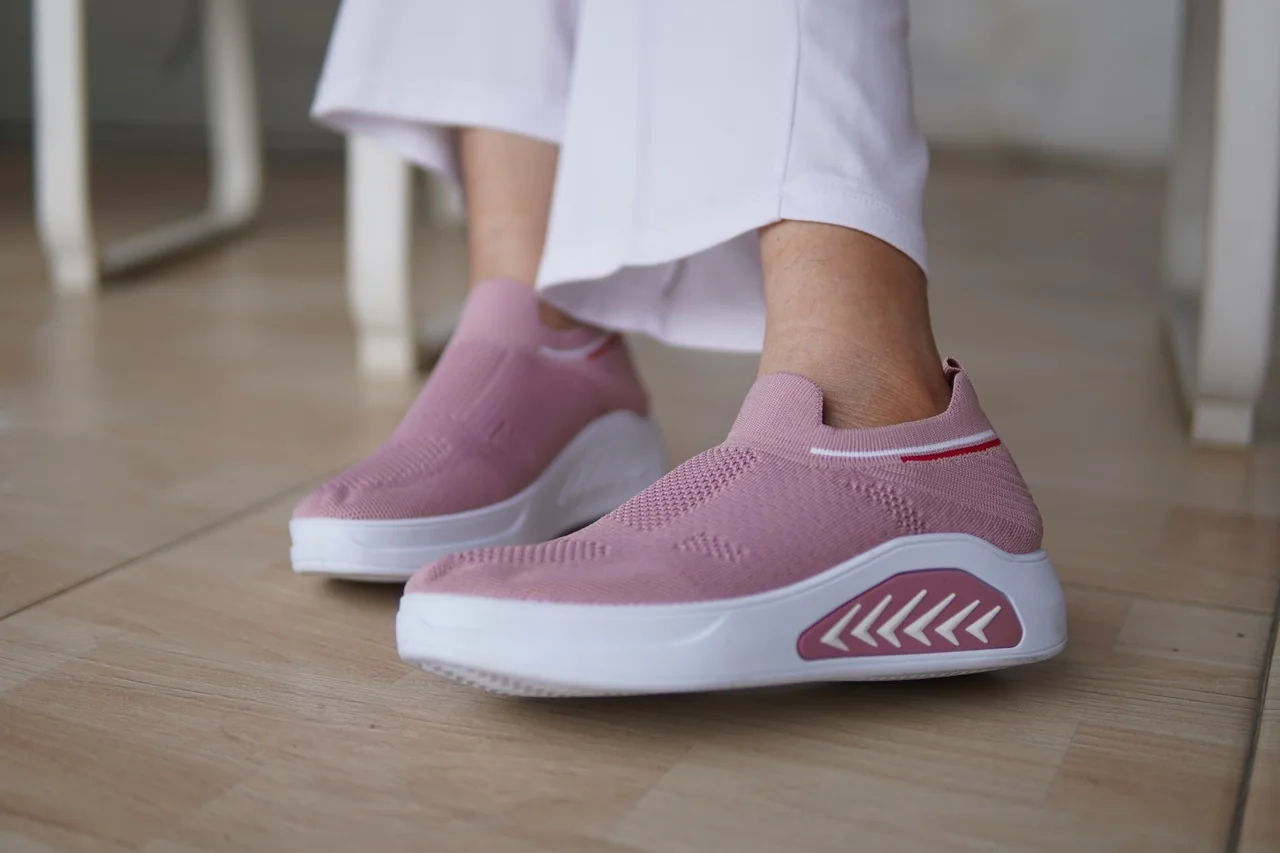
The Yeezy Boost 350 V2 remains one of the most recognizable sneakers from the latest cycle of streetwear fashion: low profile, elastic knit, a soft-responsive midsole, and a visual language that turned a sports model into a cult object. Its strength did not come only from the design, but from a very specific combination of comfort, scarcity, and brand narrative. As soon as it appeared, it stopped being just another sneaker and became a talking point, a resale item, and an archive piece.
That interest has not faded. To this day, the market still revolves around variants, colors, limited runs, and second-hand pairs, with prices ranging from reasonable figures for used pairs to high amounts for highly sought-after editions. The reason is simple: the Yeezy 350 V2 family retains persistent demand, and that drives both the search for information and buying and selling between private sellers and specialized platforms.
A design that changed the way people look at a sneaker
The silhouette became popular because it was easy to recognize from a distance. The upper wrapped the foot like a technical sock, with a woven texture that mixed elasticity and structure. The side stripe, in many versions, became almost an architectural feature, a line that cut across the sneaker as if drawn by a designer obsessed with proportion. This was not a sneaker meant to blend in; it was a piece designed to be seen, photographed, and remembered.
On the functional side, the recipe also made sense. The adaptable knit upper offered a snug fit, lightness, and breathability, while the Boost-cushioned midsole delivered a very distinctive springy feel. For those coming from stiffer models, that first contact was almost surprising: a friendlier base underfoot, with a more natural flex in everyday walking. That mix of aesthetics and comfort is what cemented its reputation.
The V2 version also arrived to refine what the first generation had already suggested. It introduced visible changes to the silhouette, the knit pattern, and the famous side detail, making it more assertive and easier to identify. In an industry saturated with releases, that ability to offer an immediate visual identity was decisive. A sneaker didn’t just have to work; it also had to say something the moment it peered out from under a pant leg.
The role of Boost in the actual wearing experience
Boost foam, one of adidas’ best-known technologies, was key to getting the sneaker into the wider conversation. Its reputation was not based solely on marketing: for years, many users valued that soft, elastic cushioning feel that absorbs impact without completely cutting off ground contact. It’s a foam that gives the sensation of a step with a bit of memory, as if it were recovering part of the energy it receives.
In an everyday sneaker, that behavior matters more than it may seem. The insole and midsole work together to create a long-lasting sense of comfort, especially on walks, city commutes, and long hours on your feet. It is not a sneaker designed as a performance tool, and that is worth stating clearly: its value lies in the balance between comfort and style, not in chasing training paces or records.
There are also nuances. The wearing experience varies depending on the version, manufacturing, and wear. A brand-new pair can feel fuller and more lively, while a heavily worn one loses tension and part of that initial response. In a market where second-hand pairs are common, that difference can be as visible as a crease in a leather jacket: subtle from afar, obvious when you really look closely.
Which versions have fueled its popularity
One of the drivers behind this model’s staying power has been its color variety. Over the years, understated gray and beige versions have appeared, along with darker releases and launches with names that have remained etched in collectors’ memory. Some colors became more coveted because they were harder to find; others because of how they looked in person, where the knit and side stripe reacted differently to light.
The best-known iterations, from the earliest to the most recent, helped keep the conversation alive. Rather than fading as a one-off phenomenon, the line was reactivated with new combinations and details. That allowed the model to go through entire seasons without leaving the radar of those who closely follow the sneaker market. Controlled scarcity and constant refreshment proved to be a very effective formula for sustaining interest.
In addition, the sneaker fit very well into the language of resale and digital collecting. A well-lit photo, a specific color name, and a size number are enough to spark interest. The economy of premium sneakers works like this: the story behind a piece, its rarity, and its condition matter almost as much as the material itself. And in that space, the Yeezy Boost 350 V2 learned to move like few others.
How its retail price and resale price are explained
The original release price usually fell within an accessible range for the premium segment, though not cheap for the general public. In the secondary market, however, the equation changes completely. The most common pairs can be found at moderate prices if they are used or show clear signs of wear, but the most sought-after, new, or rare versions command much higher amounts. In some market references, new pairs have been seen above 200 euros, while others appear at much lower prices when they involve specific sizes, opened lots, or less ambitious listings.
That price range is not determined by condition alone. Size, color, original box, documentation, time since release, and above all the buyer’s confidence in the pair’s authenticity all play a role. The same model can have radically different values depending on where it is sold and under what guarantees. In other words, the sneaker is worth as much for what it is as for the context in which it exists.
There is also an obvious psychological factor. When a silhouette accumulates reputation over the years, many people seek it out not out of necessity but because they identify with its cultural weight. That pushes demand and supports resale prices. The result is a market in which every listing is read almost like a clue, a small negotiation between desire, budget, and caution.
Authenticity remains the most delicate point
The popularity of this model brought with it a familiar problem in high-demand sneakers: the proliferation of replicas. Counterfeits have improved a lot in overall appearance, which means a visual inspection can no longer rely on a quick impression. The box, the tone of the knit, the quality of the stitching, the texture of the midsole, and even the smell of the material can offer clues, although none of them alone is enough to close the case.
Collectors and experienced buyers usually look for small but telling details. The label print, the consistency of the product code, the shape of the side stripe, the knit pattern, and the presence of certain finishing irregularities are all elements that help distinguish. Excessive perfection can also be suspicious, because many counterfeits try to imitate the ideal silhouette and end up losing naturalness in the details.
Another key aspect is the interior. The feel of the foam, the consistency of the insole, and the overall sensation when putting them on provide signals that listings do not always reflect well. In photos, everything may seem correct; in hand, the difference becomes clearer. That is why, in this kind of purchase, trust in the seller and cross-checking matter as much as the final price.
Why it has become a reference in streetwear
Beyond the sneaker market, the Yeezy Boost 350 V2 became embedded in streetwear because it connected with a very specific aesthetic: minimalism with personality, visible technology, and a color palette that was easy to combine. It worked with wide-leg pants, slim jeans, technical clothing, and looks that aimed for a touch of modernity without overdoing it. That versatility broadened its audience beyond the pure collector.
Social media photography also played an important role. The silhouette looks good in profile, three-quarter view, and close-up. The knit catches the light in an interesting way, and the side line acts as a visual underline. In times when a sneaker needs to live well in an image before it lives well on the street, that factor matters a lot. The Yeezy 350 V2 was designed for the screen as much as for the pavement.
Its impact was felt in how other brands began to pursue a similar blend of comfort and visual presence. The industry understood that consumers wanted more than just a pretty or technical sneaker; they wanted an object with a story, with design gestures, and with the ability to cross the gym, the street, and the social feed without losing coherence. That shift continues to shape the current market.
What to check before buying a pair
Buying this model calls for patience. The first decision is whether you are looking for a new pair, a used pair, or a collector’s item. From there, the actual condition matters most. The midsole should retain a clean texture, the upper should not show major deformation, and the side stripe should keep its definition. A heavily worn outsole or a sunken upper can significantly reduce value, even if the model remains desirable.
It is also worth checking the consistency of the whole set. An authentic pair usually shows a clear harmony between box, labels, size, finishes, and materials. If one of those elements seems out of place, caution is warranted. The key is not to look for one miracle detail, but to add up small checks until you reach a reasonable judgment. In this market, the sum of clues is more valuable than a supposedly foolproof trick.
Size deserves special attention. Many references of this model have a particular fit, and buyers often scrutinize the correspondence between European, UK, and US sizing. A common mistake in second-hand listings is assuming that a given size fits the same on every foot. It does not. The final fit depends on the thickness of the knit, the shape of the instep, and how much room each wearer wants at the toe.
The strength of a silhouette that has never stopped moving
The Yeezy Boost 350 V2 is not just a sneaker from one era; it is a piece that has managed to survive the speed of the market, release saturation, and the wear and tear of trends. Its combination of recognizable comfort, distinctive design, and cultural value allowed it to go from novelty to contemporary classic without losing relevance. Few silhouettes make that transition so naturally.
The interest it still generates can be explained by that mix of memory and utility. Those who look for it are not simply chasing a pretty object, but a specific reference within the recent history of athletic and urban footwear. Each pair sums up a phase of the market in which hype, scarcity, and technology met in the same storefront. And even though the catalog has changed, its echo is still there, persistent, like a well-defined footprint on wet concrete.
That is why it still appears in searches, in resale, in authenticity checks, and in conversations about fashion. It is neither a relic nor a fleeting novelty. It is a sneaker that still says something about how we buy, what we admire, and why certain forms endure while others disappear without a trace.


Dropset 2: analysis of adidas training shoes

Yeezy Boost 350 V2 Boost: complete guide, prices, and key points

Men’s Gore-Tex hiking shoes: complete buying guide

Wide-fit men’s sneakers: how to choose without getting it wrong

Nike Air Jordan 4 RM: complete guide to the model and its key features

Women’s running shoes with Gore-Tex: complete guide

Nike Zegama Trail 2 women: analysis, price, and key features of the model

Snow boots: key tips to get it right for real

Extensor digitorum longus of the foot: anatomy, function, and injuries

Brooks Hyperion Max 3 men: analysis, price, and performance

 Reviews and Comparisons3 months ago
Asics Gel-Roadmiles 3 for men: review and current price

 Races2 months ago
Valencia 2026: dates, registration and 21K guide

 Races2 months ago
Valencia Marathon 2026: entry, ballot and course

 Reviews and Comparisons3 months ago
Asics Gel Sonoma 8 Gore-Tex: complete analysis for trail and rain
- Sneakers2 months ago
Saucony Endorphin Pro 4: full review and verdict

 Reviews and Comparisons4 months ago
Nike Alphafly 3: opinions, sensations, and real key points

 News4 months ago
Strava API 2026: what changes for clubs, challenges and runner apps?

 Races2 months ago
Route of the Cursa El Corte Inglés 2026: complete guide

 Reviews and Comparisons3 months ago
New Balance TWO WXY V5: analysis, price, and performance

 Sports Equipment3 months ago
Shoe sizes in cm: a clear guide to getting the right fit for your footwear
- Sneakers2 months ago
Neutral running shoes with lots of cushioning: the best of 2026

 Reviews and Comparisons3 months ago
Under Armour running shoes review 2025-2026: models and key features