News
San Silvestre Vallecana finish park to be named after Sabugueiro
Madrid proposes naming the Puente de Vallecas park where runners finish each New Year’s Eve after the race’s founder.

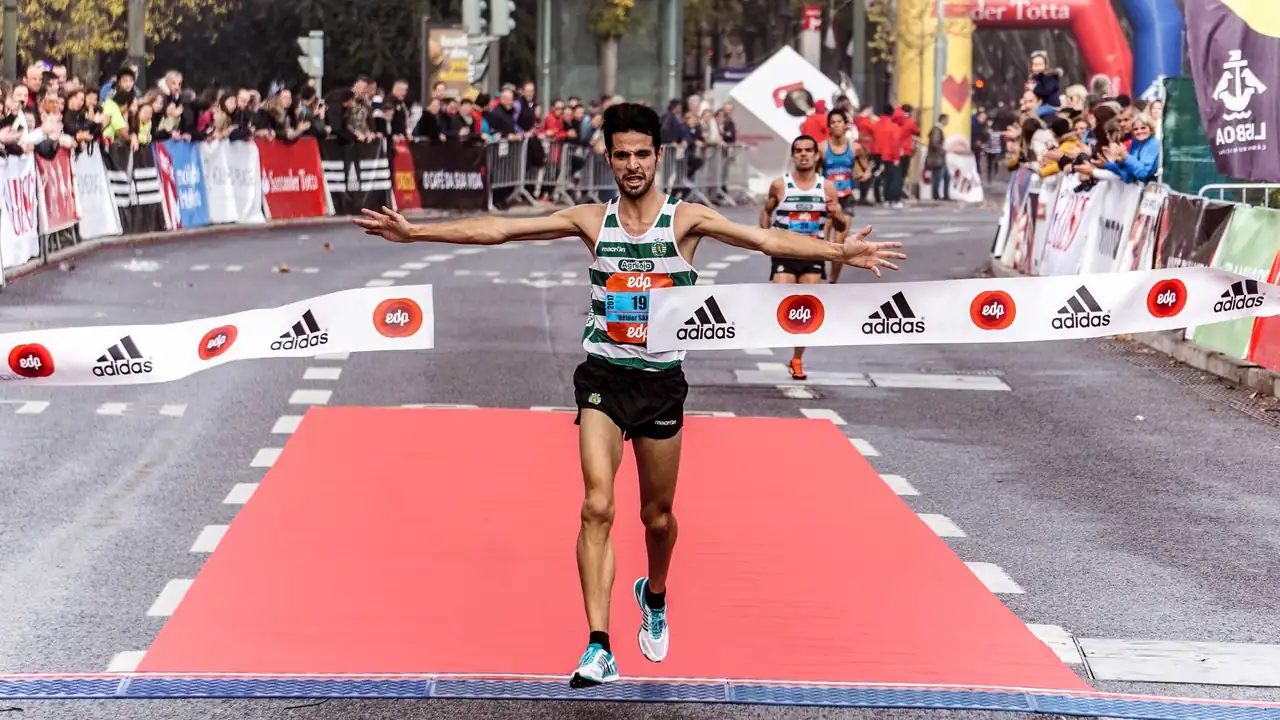
Image: RUN 4 FFWPU / Pexels
The park in Puente de Vallecas currently called Payaso Fofó will be renamed after Antonio Sabugueiro Fernández, founder of the San Silvestre Vallecana, who died on 15 November aged 94. Madrid City Council announced the initiative on Thursday 26 November, and the district board will take it to its December plenary session.
The Governing Board was informed of the proposal, which was announced by Madrid’s deputy mayor, Inma Sanz, at the press conference that followed. Sanz defended the choice of location with these words: “there could be no better place to remember him”.
A park that is the finish of the San Silvestre Vallecana Popular
The space is bounded by the streets Payaso Fofó, Candilejas, Diligencia, Puerto de Costabona and Javier de Miguel. According to the City Council, in recent editions it has been the finish point of the San Silvestre Vallecana Popular, the setting for the arrival, celebration and gathering of thousands of runners every 31 December.
The council maintains that the new name would create a permanent link between Sabugueiro’s legacy, the race and the district, as a place of remembrance, recognition and gratitude. The board’s aim is to publicly recognise the career of the man who conceived and promoted the race.
Who was Antonio Sabugueiro
Born in Ourense in June 1932, Sabugueiro arrived in Madrid at the age of 18 and served on the board of Rayo Vallecano. In 1964, together with Carlos Roa and Manolo Fernández, he launched the Gran Premio de Vallecas, the forerunner of today’s San Silvestre Vallecana.
The idea arose that year in the now-closed Bella Luz café on Calle de Monte Igueldo, and took as its reference the race held in São Paulo, Brazil. According to the City Council, Sabugueiro helped promote the identity of Vallecas, sport and physical activity, and was a leading figure in Spanish and international athletics. He also carried out intensive work in the neighbourhood and the district to build a culture of popular sport, open to participation by all citizens.
From 57 participants to tens of thousands of runners
The first edition, under the name Gran Premio de Vallecas, was held on 27 December 1964 with 57 participants and was won by Jesús Hurtado. The journalist José Luis Gilabert helped popularise the name San Silvestre Vallecana when the race moved to the last day of the year.
In the late 1970s, on the initiative of the journalist Pepe Domingo Castaño, the race was opened to amateur runners. Today the San Silvestre Vallecana Popular covers ten kilometres from the area around the Santiago Bernabéu stadium to Vallecas and brings together tens of thousands of runners every New Year’s Eve, more than 40,000 according to published figures. Athletes such as Mariano Haro, Martín Fiz, Fermín Cacho, Eliud Kipchoge and Paula Radcliffe have run it.
What will happen to the Payaso Fofó name
The City Council clarifies that Madrid will continue to pay tribute to Alfonso Aragón Bermúdez, Fofó, whose name will remain on one of the district’s main streets, the one linking the Rayo Vallecano stadium with the surrounding areas of the San Diego and Entrevías neighbourhoods.
Fofó was a member of Los Payasos de la Tele and belonged to a family clown troupe that made the programme El gran circo, broadcast between 1972 and 1981.
A garden for Raúl del Pozo in Chamartín
The Governing Board also approved dedicating a green space in Chamartín to the journalist and writer Raúl del Pozo, who died on 10 March aged 89. The space is opposite number 3 Calle de Pedro Muguruza and includes the landscaped area connected to it.
The initiative, promoted by the district councillor, Yolanda Estrada, received majority backing from the Chamartín plenary session on 14 October. In the 1960s Del Pozo helped popularise the name Costa Fleming, a nightlife area, and lived in Chamartín for years. He worked in the print press and won the Premio Mariano de Cavia in 2008 and the Premio Primavera de Novela in 2011 for El reclamo.


Allianz Jean Bouin 2026: 21,000+ Runners Expected in Barcelona

San Antón 2027 in Jaén: 9,000 race bibs by notary draw

15KM Madrid adds Toyota Seguros and expects nearly 10,000 runners

Tendonitis and inner foot pain: causes and treatment

San Silvestre Vallecana finish park to be named after Sabugueiro

Five Elite Marathoners Injured in Seven Months Chasing Records

Hayden Wilde Heads to T100 Qatar Final With 42-Point Lead

Sabastian Sawe shortlisted for World Athletics Awards 2026

Ana Peleteiro eyes Valencia 2027 European Indoors after second child

Chema Martínez predicts many records at the Valencia Marathon

 Races4 months ago
Valencia Half Marathon 2027: date and registration

 Races4 months ago
Valencia Marathon 2026: start times, waves and course

 Reviews and Comparisons5 months ago
Asics Gel-Roadmiles 3 for men: review and current price

 Reviews and Comparisons4 months ago
Asics Gel Sonoma 8 Gore-Tex: complete analysis for trail and rain

 Sneakers4 months ago
Saucony Endorphin Pro 4: full review and verdict

 News6 months ago
Strava API 2026: what changes for clubs, challenges and runner apps?

 Reviews and Comparisons6 months ago
Nike Alphafly 3: opinions, sensations, and real key points

 Reviews and Comparisons5 months ago
Under Armour running shoes review 2025-2026: models and key features

 News6 months ago
Valencia Marathon 2026 route: key tips to train and run better

 Sports Equipment4 months ago
Shoe sizes in cm: a clear guide to getting the right fit for your footwear

 Sneakers3 months ago
Skechers GO RUN Consistent 2.0 analysis: comfort and limits

 Sneakers3 months ago
Neutral running shoes with lots of cushioning: the best of 2026